
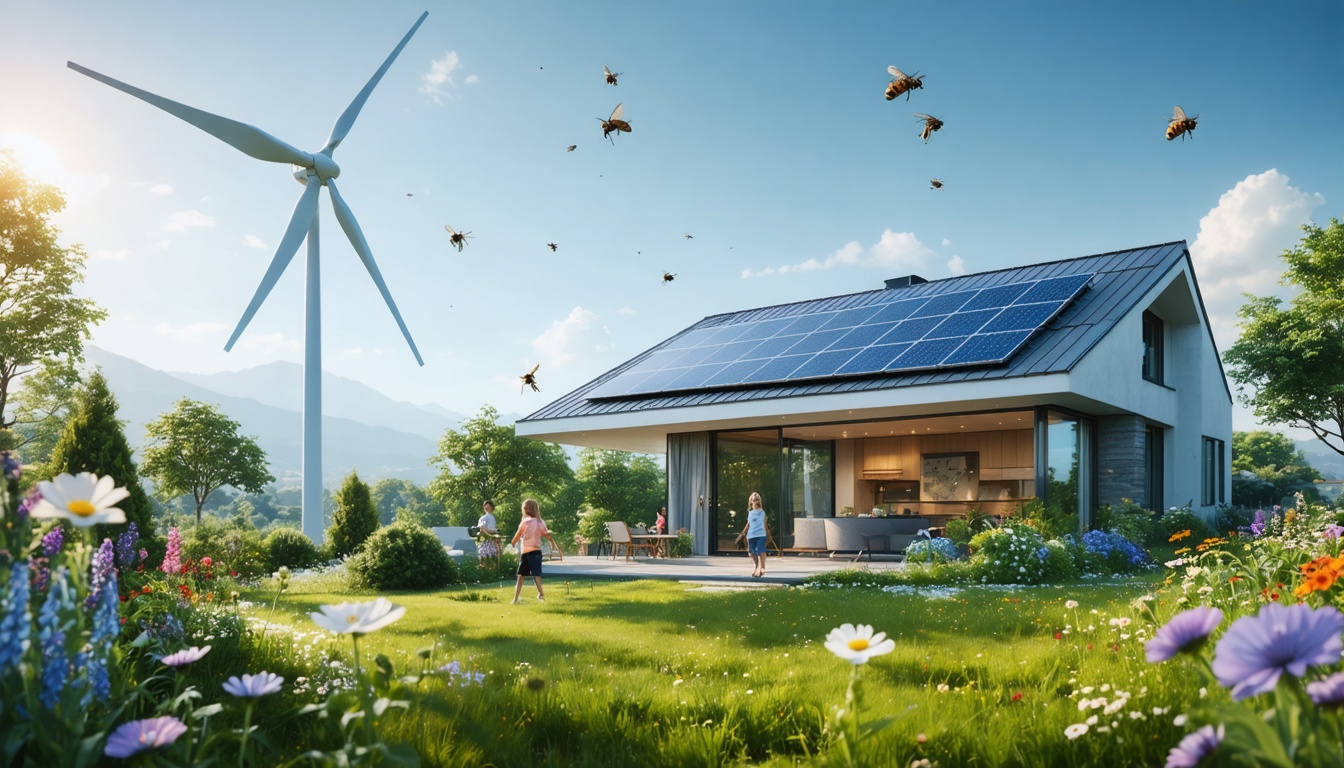
The Environmental Benefits of Choosing Renewable Energy at Home
Choosing renewable energy for your home can significantly reduce environmental impact. The installation of solar panels or wind turbines contributes to a decrease in greenhouse gas emissions, which are known to contribute to climate change. These renewable energy sources produce electricity without the combustion of fossil fuels, thereby supporting cleaner air quality. In addition to environmental benefits, utilizing renewable energy can lead to cost savings over time. While the initial investment in infrastructure like solar panels can be substantial, many homeowners report lower energy bills due to reduced reliance on traditional energy sources. Furthermore, the growth of the renewable energy sector can stimulate local economies by creating new jobs in manufacturing, installation, and maintenance. When homeowners transition to renewable energy, their decisions contribute to a broader movement towards sustainable energy use, which is essential for addressing climate change and promoting environmental health. Overall, the advantages of renewable energy are both immediate and long-term, making it a practical consideration for households looking to reduce their environmental footprint.
What Renewable Energy Means for Homeowners
Choosing renewable energy for residential use presents multiple practical benefits that extend beyond the possibility of lower energy costs. Homeowners who adopt renewable energy sources can significantly reduce their greenhouse gas emissions. This reduction plays a role in global initiatives such as the United Nations Sustainable Development Goals and the Paris Agreement, which aim to mitigate climate change.
The trend towards renewable energy is evidenced by a notable increase in the capacity for electricity generation from these sources, with consistent annual growth reported in various regions. Many industries are actively pursuing strategies to achieve Net Zero emissions, indicating a systemic shift in energy production and consumption practices.
Homeowners utilizing renewable technologies may experience a more stable and potentially cost-effective energy supply while simultaneously decreasing their reliance on fossil fuels, which are recognized contributors to climate change and environmental damage.
Additionally, transitioning to renewable energy can bolster economic growth through job creation in the clean energy sector. By investing in renewable technologies, homeowners not only reduce their environmental impact but also align with broader movements towards sustainable practices that aim to address ongoing and future environmental challenges.
Major Types of Renewable Energy for Residential Use
Homeowners can utilize a range of renewable energy options that aim to mitigate environmental impacts and improve energy efficiency. One prominent option is solar energy through solar panels, which have become more accessible due to a significant price decline of 41%. Homeowners in Bridgeport, CT can find local solar installers at Solar Installers in Bridgeport, CT, which allows them to generate electricity while emitting minimal greenhouse gases.
Another option is small wind turbines, which can provide electricity generation while producing minimal air pollutants. These systems contribute to renewable energy goals and can help households work toward achieving Net Zero emissions.
Geothermal systems are another effective solution, utilizing the Earth's heat for both heating and cooling purposes. This method is economically beneficial, as it can result in reduced utility costs over time.
Additionally, biomass energy, derived from organic waste, enables the production of power and can lessen dependence on fossil fuels.
Micro-hydro systems represent a less common but viable renewable energy technology accessible to properties near suitable water sources. These systems capitalize on flowing water to generate energy and can be an efficient way to harness local resources.
The integration of these renewable energy sources can play a role in reducing carbon footprints while contributing to the broader Sustainable Development Goals. Each energy option presents unique advantages and challenges, which can vary based on individual circumstances.
Homeowners are therefore encouraged to carefully evaluate their energy requirements, the availability of local resources, and any pertinent regulations when considering the implementation of renewable energy technologies.
Reduction of Greenhouse Gas Emissions
Fossil fuels remain a significant energy source for many households, but the transition to renewable energy options—such as solar, wind, and geothermal—can lead to a marked decrease in greenhouse gas emissions.
Renewable energy sources are associated with considerably lower levels of greenhouse gases compared to fossil fuels like oil and gas.
The energy sector is the largest contributor to global greenhouse gas emissions, necessitating immediate action to meet targets outlined by the United Nations' Sustainable Development Goals and the Paris Agreement.
Current projections suggest that if 90 percent of electricity generation comes from renewable sources by 2050, it may result in a reduction of greenhouse gas emissions by approximately 50% by 2030.
Implementing renewable energy technologies not only addresses the challenges posed by climate change but also fosters the development of a sustainable energy infrastructure.
Each incremental increase in renewable energy capacity represents a step toward achieving a more stable global economy and enhancing environmental sustainability.
Improved Air Quality and Public Health
The shift towards renewable energy sources is associated with a positive shift in air quality. Reducing dependence on fossil fuels for electricity generation results in a notable decrease in the emissions of both greenhouse gases and other air pollutants from residential and commercial sectors, which include data centers.
The United Nations estimates that around 99 percent of the global population experiences substandard air quality, leading to approximately 7 million premature deaths each year and healthcare expenses that surpass $8.1 trillion.
Renewable energy options, such as wind and solar, serve as effective alternatives for multiple sectors across the global economy. The use of these technologies is linked to improved public health outcomes due to the reduced incidence of air pollution.
Moreover, this transition is consistent with international initiatives, including the Sustainable Development Goals and the Paris Agreement. Therefore, shifting to clean energy can be perceived as an essential measure for enhancing environmental health and supporting sustainable economic growth.
Lower Water Usage and Resource Conservation
Solar and wind energy systems require significantly less water compared to traditional fossil fuel power plants. This shift towards renewable energy sources is an important aspect of resource conservation and water management. By choosing solar or wind power for residential energy needs, users can contribute to a meaningful reduction in overall water usage, potentially saving vast amounts of water annually.
Fossil fuel energy production accounts for approximately 45 percent of total water withdrawals in the energy sector, highlighting the substantial water requirements associated with these traditional sources. In contrast, renewable technologies produce little to no greenhouse gas emissions. This not only helps mitigate climate change but also aids in the preservation of water resources which are critical for various human and ecological needs.
International agreements, including the United Nations’ Sustainable Development Goals and the Paris Agreement, emphasize the necessity of transitioning toward cleaner energy options. Such frameworks seek to reduce dependence on fossil fuels, which are not only finite resources but also contribute to various environmental challenges.
Moving towards renewable energy sources is thus an essential consideration for effective resource management and environmental sustainability.
Benefits to Local Ecosystems and Wildlife
Transitioning to renewable energy sources has measurable benefits for local ecosystems and wildlife. Renewable energy options, such as solar and wind power, generate significantly lower levels of greenhouse gas emissions and air pollutants compared to fossil fuels. This reduction in emissions is crucial for the preservation of sensitive habitats and aligns with the objectives outlined in the United Nations Sustainable Development Goals, especially those related to air and water quality.
The move away from fossil fuels is associated with a decrease in air and water pollution, which positively affects both human health and ecological systems. Renewable energy initiatives contribute to the conservation of local groundwater resources and can foster the generation of employment opportunities while supporting biodiversity.
Community action projects are instrumental in the effective implementation of renewable energy sources. These initiatives often involve the transformation of underutilized land into green spaces, thereby improving local ecosystems.
Such projects demonstrate how the adoption of sustainable practices can result in concrete benefits for both the environment and the surrounding communities. Analytical reports and studies provide evidence of the positive impact these efforts have on local ecosystems and wildlife.
Decreased Reliance on Fossil Fuels
Reducing household dependence on fossil fuels is an important measure in addressing a significant source of global greenhouse gas emissions. Transitioning to renewable energy sources, such as solar or wind power, can provide a more sustainable means of electricity generation. This shift not only lowers greenhouse gas emissions but also reduces air pollutants.
The United Nations reports that fossil fuel use is associated with approximately 7 million premature deaths annually due to air quality-related issues. Embracing renewable energy alternatives enables households to participate in global efforts aimed at achieving Net Zero emissions and aligns with the Sustainable Development Goals set by the United Nations.
Furthermore, the transition from fossil fuels also has implications for water usage, as the extraction and processing of fossil fuels generally require substantial water resources. Reducing reliance on these fuels can aid in mitigating climate change by lowering the concentration of greenhouse gases in the atmosphere.
There is a broad scientific agreement on the need to reduce emissions to attain climate stability. Consequently, adopting renewable energy is not only an individual choice but also contributes to collective environmental responsibility.
Economic Advantages of Home Renewable Energy
The installation of renewable energy systems within residential properties presents several economic advantages for homeowners. One of the main benefits is the potential reduction of annual energy costs. As the costs for technologies like solar panels have decreased over the years, homeowners can achieve significant savings on their energy bills while also minimizing their carbon footprint.
Additionally, properties equipped with renewable energy solutions may experience an increase in market value. Homes that demonstrate energy efficiency and sustainability tend to be appealing to buyers who prioritize these attributes, which may lead to higher selling prices in alignment with current market trends and environmental goals.
Government incentives, such as tax credits and rebates, are significant in reducing the initial financial burden associated with the installation of renewable energy systems. These programs can enhance the economic feasibility of transitioning to renewable energy sources for homeowners.
Furthermore, utilizing renewable energy can mitigate exposure to fluctuating fossil fuel prices, providing more stable energy expenses.
The growth of the renewable energy sector also supports job creation across a range of fields, contributing to both local and national economies. This sector's expansion aligns with broader energy security initiatives and the overarching goal of achieving net-zero carbon emissions, thereby further integrating economic and environmental objectives.
In summary, the adoption of renewable energy systems in homes is associated with potential cost savings, increased property values, and a positive impact on employment, while also supporting a transition towards sustainable energy practices.
Community Empowerment Through Clean Energy
The shift toward renewable energy solutions presents significant advantages for both individual homeowners and broader communities. Supporting renewable initiatives, enhancing electricity capacity, and pursuing Net Zero goals are critical elements in advancing community empowerment.
The clean energy sector has contributed to considerable job creation, with approximately 35 million people employed globally as of recent reports. This employment trend is projected to increase as the sector expands. Investment in alternative energy sources not only lessens dependence on fossil fuels but also contributes to a reduction in greenhouse gas emissions.
This shift may lead to improved air quality and could result in decreased energy costs over time. Additionally, these renewable energy initiatives resonate with established frameworks, such as the United Nations Sustainable Development Goals and the Paris Agreement.
This alignment underlines the emphasis on global economic stability while also promoting local financial health and enhancing the well-being of communities. By prioritizing clean energy, communities have the opportunity to develop sustainable infrastructures that yield social and economic benefits for residents.
Long-Term Sustainability and Environmental Protection
The adoption of renewable energy sources in residential areas plays a significant role in promoting long-term sustainability and environmental protection. Renewable options such as solar and wind power are associated with low to negligible greenhouse gas emissions, which corresponds with international frameworks like the United Nations Sustainable Development Goals and the Paris Agreement.
By transitioning to renewable energy, there is a reduction in air pollutants that contribute to climate change, which can have substantive effects on populations worldwide.
Furthermore, renewable energy is more efficient in preserving natural resources, consuming significantly less water compared to conventional energy sources. This shift is critical for meeting Net Zero emissions targets, an essential goal for mitigating climate change impacts.
The development of renewable energy infrastructure has also been linked to economic benefits, including job creation in the clean energy sector.
As households progressively decrease their dependence on fossil fuels, they contribute to the broader objective of shifting towards a sustainable global economy, which is increasingly recognized as essential for addressing global environmental challenges.
Conclusion
Choosing renewable energy for your home has several measurable environmental benefits. By utilizing sources such as solar, wind, or hydroelectric power, homeowners can reduce their carbon emissions significantly, thus lessening their overall carbon footprint. This shift can contribute to improved air quality, as renewable energy systems typically emit little to no greenhouse gases during operation. Long-term financial savings can also be a factor in the decision to switch to renewable energy. Many renewable energy systems, such as solar panels, can lead to decreased utility bills and energy independence, reducing reliance on fossil fuels and traditional grid electricity. In addition, the renewable energy sector has been shown to promote job creation, as investments in this area often require a workforce for installation, maintenance, and operation. Furthermore, adopting renewable energy may encourage environmentally sustainable practices within a community, illustrating a model for others to follow. This can lead to greater community engagement in environmental issues and initiatives aimed at fostering sustainability. In summary, transitioning to renewable energy sources offers practical advantages including environmental improvement, cost savings, energy independence, and potential local economic benefits, making it a strategic choice for homeowners.